 866-774-3342
 info@pridereadingtutors.com
If you’ve spent more than five minutes in a school hallway, an IEP meeting, or scrolling through an education forum lately, you’ve probably heard the term "Science of Reading" tossed around like it’s the latest health craze. It’s everywhere. And if you’re a parent of a child who struggles to decode a simple sentence, or an educator trying to reach a student who just isn't "clicking" with books, hearing about a "new" way of doing things can feel a little overwhelming.
First, let me tell you: it is completely understandable if you feel a bit of "buzzword fatigue." We’ve seen educational trends come and go. But here is the wonderful news, the Science of Reading isn't a fad, a brand, or a shiny new product. It is a massive, gold-standard body of research that finally confirms what many of us have known in our hearts (and our classrooms) for years.
If you’ve ever felt a pang of worry that your child is falling behind despite being incredibly bright, please know you are not alone. The shift toward the Science of Reading is actually a huge win for families dealing with dyslexia. It’s moving the world toward the exact kind of remedial reading program that works.
So, What Is This "Science" Everyone is Raving About?
The "Science of Reading" (SoR) is a shorthand term for over 50 years of research from cognitive scientists, psychologists, and linguists. They’ve been peeking into the human brain to figure out exactly how we learn to read.
As it turns out, our brains aren't naturally wired to read the way they are wired to speak. We have to "recycle" certain parts of the brain to connect sounds to symbols. The research consistently shows that for a child to become a proficient reader, they need explicit, systematic instruction in how the English language works.
Think of it like constructing a house. You can’t just hang the wallpaper and pick out the curtains (the "fun" parts of reading, like comprehension and deep analysis) before you’ve poured the concrete foundation and framed the walls. For years, many schools were trying to hang wallpaper on a foundation that wasn't there.

The "Simple View" of a Complex Process
One of the cornerstones of this movement is something called the Simple View of Reading. It’s a mathematical formula that looks like this:
Decoding (D) x Language Comprehension (LC) = Reading Comprehension (RC)
It’s a multiplication equation, not an addition one. This means if a student’s decoding skills are a "zero" because they can’t sound out the words, their total reading comprehension will also be zero, no matter how smart they are or how many audiobooks they’ve listened to.
To build a successful dyslexia tutoring program, we have to address both sides of that equation. We need to teach kids how to crack the code (decoding) while also building their vocabulary and background knowledge (comprehension).
Why the Old Way Was Failing Our Kids (And Why We're Done with Guessing)
For a long time, many classrooms used a method called "Balanced Literacy" or "Three-Cueing." You might remember your child coming home with strategies like "Eagle Eye" (look at the picture to guess the word) or "Skippy Frog" (skip the word and come back later).
While well-intentioned, these strategies actually mimic the habits of poor readers. A child with dyslexia is already a master of "guessing" based on context clues because they have to be! But guessing isn't reading. The Science of Reading has effectively given the boot to these guessing games, replacing them with systematic phonics. We want kids looking at the letters on the page, not the pictures of butterflies in the margin.
The Perfect Match: Science of Reading and Orton-Gillingham
Now, here is where it gets exciting for those of us in the dyslexia community. The Science of Reading points directly to a style of teaching called Structured Literacy. And the "Granddaddy" of Structured Literacy is the Orton-Gillingham (OG) approach.
When people ask what an effective orton gillingham training or tutoring session should look like, they are essentially asking for the Science of Reading in action. Orton-Gillingham isn't just a fancy name; it’s a methodology that is:
- Systematic and Cumulative: We start with the easiest sounds and build up to the complex ones. We don't move to "Step B" until "Step A" is rock solid.
- Explicit: We never assume a child will "pick it up" by being around books. We tell them exactly what the rule is. "When you see 'ck', it makes the /k/ sound, and we only use it after a short vowel."
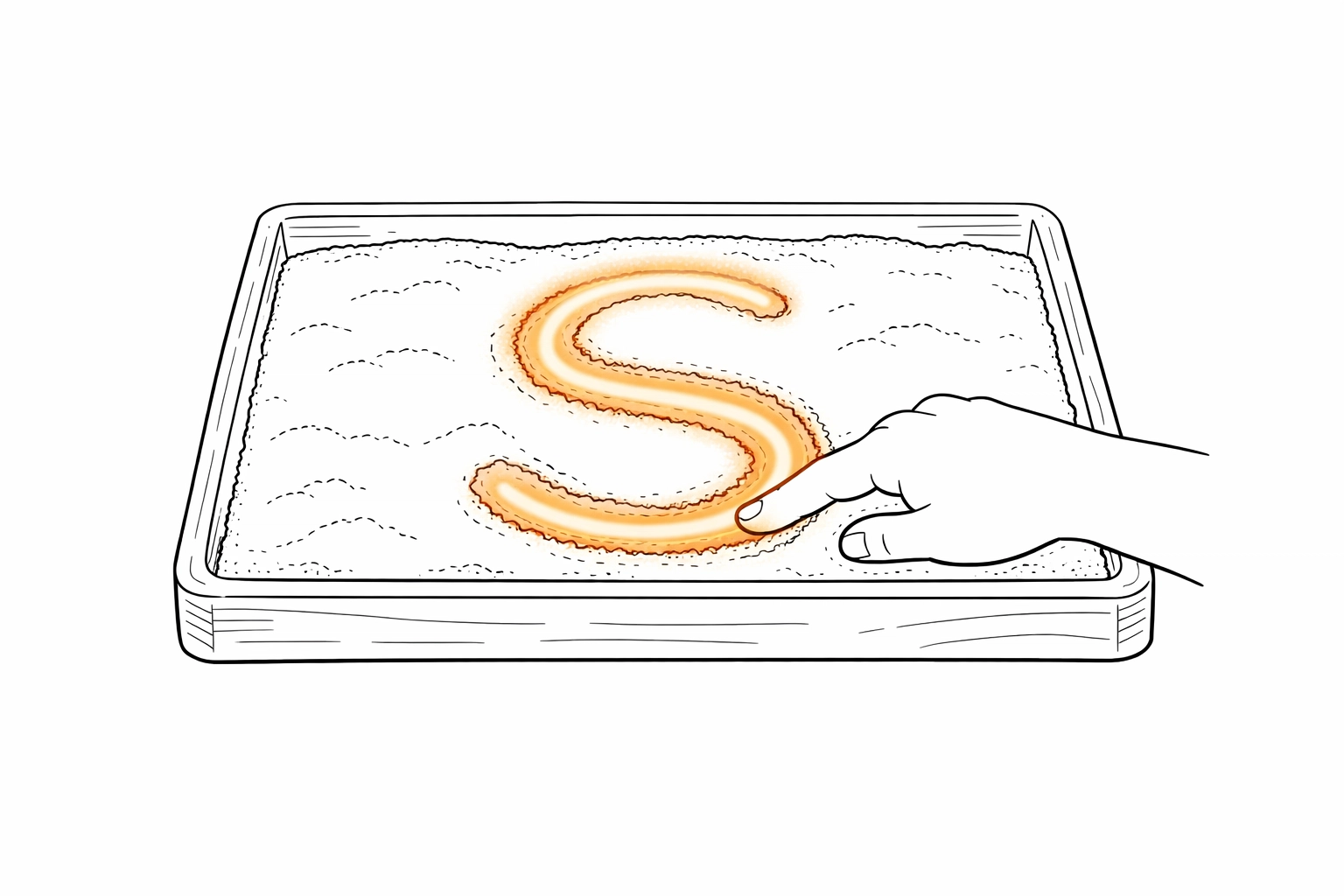
- Multisensory: This is the secret sauce. We engage the eyes, the ears, the voice, and the hands. If a child traces a letter in sand while saying its sound, they are building a bridge in their brain that stays put.
What Your Dyslexia Tutoring Program Should Look Like Now
If you are looking for a remedial reading program for your child or your school district, you now have a "Science of Reading" checklist. If a program or tutor can't check these boxes, they might be using outdated methods that won't give your child the breakthrough they deserve.
- Does it focus on Phonemic Awareness? Can the child manipulate sounds in their head? (e.g., "Say 'cat' without the /c/.") This is the number one predictor of reading success.
- Is the Phonics Instruction Systematic? Are they following a roadmap, or are they just picking random words from a storybook?
- Is it Diagnostic? Does the tutor adjust based on what the child knows? At PRIDE Reading Tutors, we are constantly assessing. If a student is struggling with "blending," we don't just keep moving; we pivot and provide more practice right there.
- Are they using Decodable Books? In the early stages, kids should be reading books that only contain the sounds they’ve actually learned. Giving a child a book they can't decode is like asking someone to drive a car when they’ve only been shown where the blinker is. It’s frustrating and counterproductive.
Moving from Frustration to "I Can!"
I know this can feel like a lot to take in. If you've spent years watching your child struggle, the guilt can sometimes creep in. "Why didn't I know about the Science of Reading sooner?" "Did we waste time on the wrong tutoring?"
Please, take a deep breath. You are doing the best you can with the information you have. The fact that the educational world is finally catching up to the needs of dyslexic learners is a cause for celebration! We are moving away from the "wait and see" model and toward an "act and succeed" model.
At PRIDE Reading Tutors, we live and breathe these principles every day. Whether it's through our in-home tutoring or our intensive online sessions, our goal is to take the "mystery" out of reading. We use the Science of Reading because it works: plain and simple.

The Journey Ahead
Breaking the cycle of reading failure is crucial, but it doesn't happen overnight. It’s a journey of small wins. It’s the moment your child sounds out a word on a cereal box for the first time. It’s the afternoon they don't cry when it's time to do homework.
What truly makes a program shine isn't just the science: it’s the heart. It’s finding a tutor who understands that your child’s dyslexia isn't a lack of intelligence; it’s just a different way of processing information. When you combine the right science with a supportive environment, the results are nothing short of transformative.
If you’re wondering where your child stands or if a remedial reading program is the right fit, we’d love to help you navigate those next steps. You don't have to be a scientist to help your child read, you just need to have the right science in your corner.
Let's turn those "I can'ts" into "I just did!" together. If you're ready to see what a difference evidence-based instruction can make, reach out to us. We’re here to help your child thrive, one sound at a time.