 866-774-3342
 info@pridereadingtutors.com
I’ve been there, sitting on the couch, a colorful picture book open on your lap, and your first grader is “reading” along. They’re doing great until they hit a word they don’t know. Instead of looking at the letters, they look at the picture of the fluffy golden retriever and confidently shout, “Dog!”
The problem? The word on the page is actually canine.
If you’ve ever felt a pang of worry when your child looks at the ceiling or the illustrations for clues rather than the actual text, please know you are not alone. It’s completely understandable to feel frustrated. You might even be thinking, “Hey, at least they got the idea right, right?” Well, I hate to be the bearer of bad news, but that “guessing” habit is a slippery slope.
In the world of early education, we are finally seeing a massive shift. We’re "booting" the guessing and moving toward something much more reliable. Today, we’re going to dive into why these common first-grade reading mistakes happen, why the old ways of teaching (like three-cueing) are failing our kids, and how a solid remedial reading program can turn a struggling guesser into a confident reader.
The "Guessing" Trap: What is Three-Cueing?
For years, many schools taught a method called "three-cueing." It sounds fancy, but it basically encouraged kids to use three different "cues" to figure out a word:
- Meaning (Semantic): Does it make sense based on the picture?
- Structure (Syntactic): Does it sound like a sentence?
- Visual (Graphophonic): What does the first letter look like?
Here’s the kicker: this is exactly what struggling readers do. Skilled readers don’t guess; they decode. When we tell a child to "look at the picture" or "think about what would make sense," we are actually teaching them the habits of a poor reader.
If your child’s school is still using these strategies, it might be time to look into the science of reading and the signs your child’s school is guessing. When kids rely on pictures, they hit a "reading cliff" around third or fourth grade when the pictures disappear and the words get longer. That’s why reading tutoring for first graders is so vital, it nips those bad habits in the bud before they become permanent.
Mistake #1: Confusing Similar Letters (The b/d Dilemma)
"Is it a bat or a cat? A dog or a bog?"
If your first grader is still mixing up b and d, or p and q, don’t panic. In the first half of first grade, this is actually pretty normal. Their little brains are learning that in the real world, an object stays the same no matter which way it faces (a chair is a chair, whether it’s facing left or right). But in the world of letters, direction matters!
However, if these reversals continue, it can lead to some serious "word scrambling." Some children even read "tub" as "but." While this is a common hurdle, it’s one that requires explicit instruction to overcome. Instead of just hoping they’ll grow out of it, a kindergarten reading tutor or a specialized first-grade program can use multisensory techniques, like tracing letters in sand or using air-writing, to help those neural pathways "stick."
Mistake #2: The "Speed Racer" Syndrome (Skipping and Substituting)
Some first graders are so enthusiastic about finishing the page that they turn into "Speed Racers." They skip over small words like "the," "an," or "of," or they substitute words that change the entire meaning of the sentence.
I know it can feel overwhelming when your child reads a whole paragraph and you realize they didn’t actually comprehend a single bit of it because they were too busy racing. This often happens because they are trying to use context to bypass the "hard work" of sounding things out.
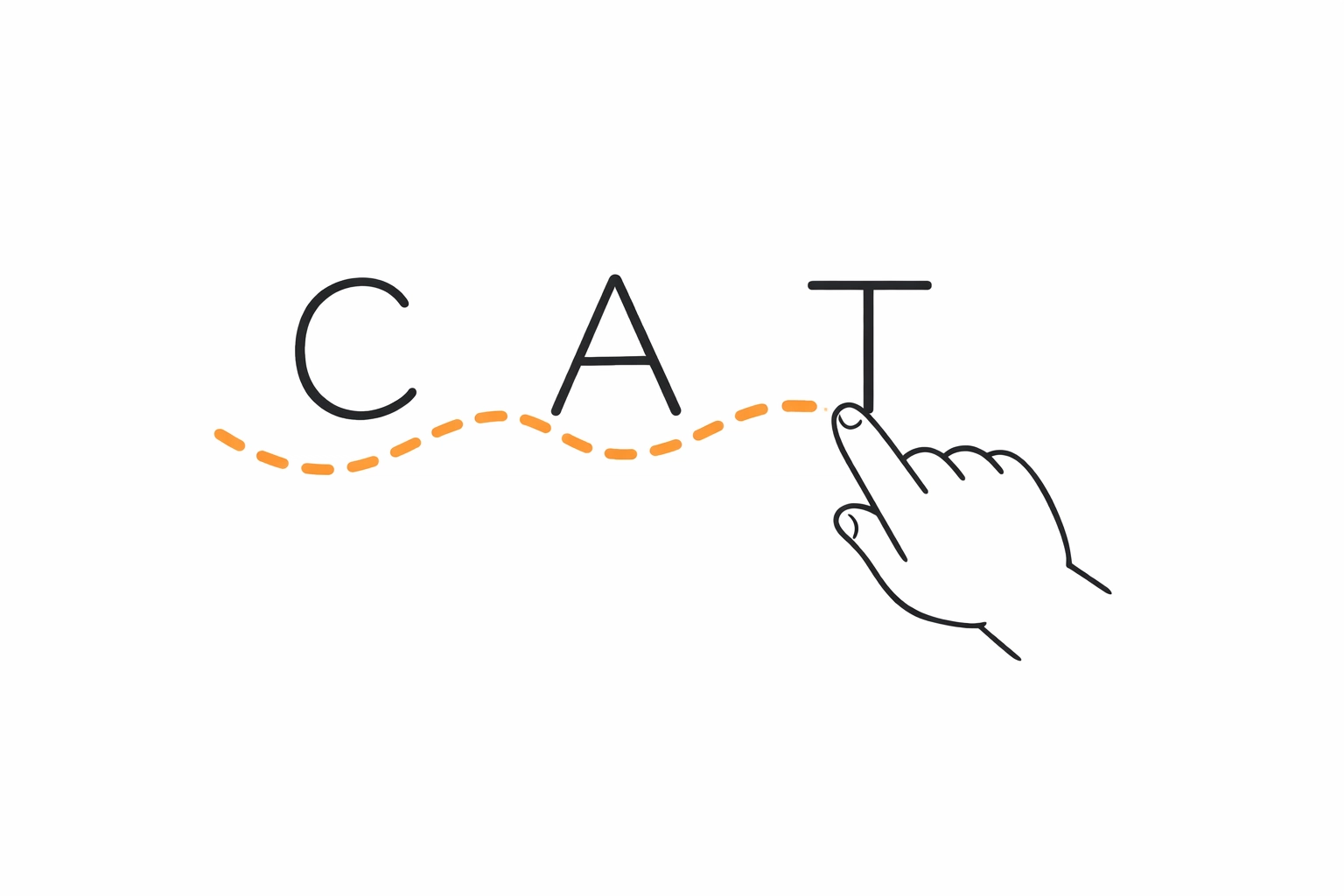
To fix this, we have to slow them down. Using a finger to track the words or using a "reading window" (a piece of cardstock with a hole cut out) can help them focus on one word at a time. If you’ve noticed your child is struggling with fluency or skipping words, it might be one of the 10 reasons your school’s remedial reading program isn’t working.
Mistake #3: Relying on Memorization Instead of Decoding
Does your child seem to know a word on page one, but by page three, it’s like they’ve never seen it before?
This is the "Sight Word Struggle." Many kids are taught to memorize "high-frequency words" as if they are pictures. But here’s a secret: most sight words are actually decodable! When children try to memorize thousands of words by shape alone, their "mental filing cabinet" eventually overflows.
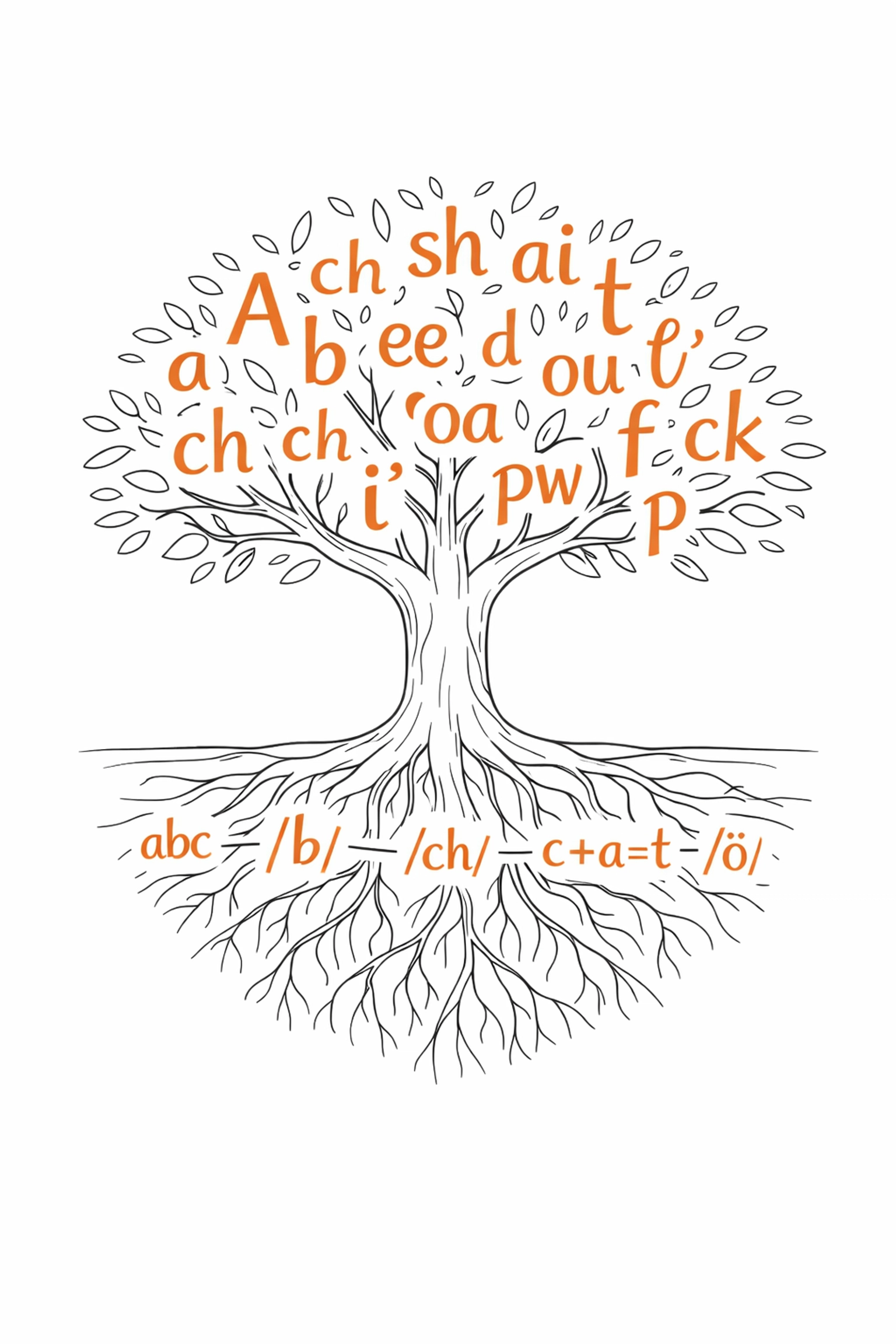
Instead of memorizing, they need to learn why the words are spelled that way. This is the heart of structured literacy. By teaching the relationship between sounds (phonemes) and letters (graphemes), we give them a roadmap. Once they have the map, they don’t have to memorize the whole forest, they can just follow the path.
Why Structured Literacy is the "Cool Parent" of Reading Methods
You’ve probably heard the buzzword "Structured Literacy" or "The Science of Reading." It’s not just a trend; it’s a revolution. It moves away from the "balanced literacy" approach (which often encouraged the guessing we talked about) and moves toward explicit, systematic instruction.
At PRIDE Reading Tutors, we use an Orton-Gillingham-based approach. This isn't your average "sit and drill" session. It’s fun, it’s engaging, and most importantly, it works. Whether you are looking for an online reading tutor or specialized support for dyslexia, the goal is the same: building a rock-solid foundation.
Why does it work?
- It’s Systematic: We start with the basics and move to the complex. No jumping around!
- It’s Multisensory: We use sight, sound, and touch. (Because who doesn't like learning while moving?)
- It’s Explicit: We don't expect kids to "pick it up" by being around books. We teach them the rules of the English language directly.
If you’re wondering why everyone is talking about structured literacy, it’s because it’s the only method proven by brain science to help every type of learner, especially those who struggle with dyslexia or processing issues.
Is it Dyslexia or Just a "Late Bloomer"?
I get this question all the time from worried parents. "Is my kid just a late bloomer, or is there something else going on?"
The truth is, waiting and seeing is often the biggest mistake we can make. Early intervention is everything. If your first grader is struggling to segment sounds (like saying the three sounds in "cat") or cannot rhyme, these are early red flags.

While a blog post can’t provide a diagnosis, I can tell you that specialized support is a game-changer. There is a massive difference between regular tutoring and specialized dyslexia support. If your child is working twice as hard as their peers and still falling behind, it’s not a lack of effort, it’s a need for a different strategy.
How to Help at Home (Without Losing Your Mind)
I know your schedule is packed. Between soccer practice, dinner, and trying to remember where you put your keys, "reading time" can sometimes feel like a battlefield. Here are a few low-stress ways to help:
- Cover the Pictures: Occasionally cover the illustrations with a post-it note. If they can’t read the word without the picture, they aren't reading, they’re interpreting.
- Play Sound Games: While you're in the car, say, "I’m thinking of a word that starts with /b/ and ends with /at/." Have them blend it together.
- Celebrate the "Slow" Reading: If they are sounding out every single letter, celebrate it! That "slow" decoding is the sound of their brain building new muscles. Speed will come later; accuracy is the goal right now.
- Look into a Tutor: Sometimes, kids just respond better to someone who isn't Mom or Dad. A tutor for reading guide can help you decide what kind of support fits your family's needs.
The Light at the End of the Tunnel
I want you to take a deep breath. Reading is one of the most complex things a human brain can do. It’s literally "rewiring" the brain. If your first grader is making these mistakes, it’s not a reflection of their intelligence: or your parenting! It just means they need the right tools.
When we stop the guessing game and start teaching the code, magic happens. Suddenly, those "scrambled" letters make sense. Those "skipped" words find their place. And that frustrated child starts to realize that they can do this.
Here at PRIDE Reading Tutors, we’ve seen thousands of kids transform from reluctant guessers into voracious readers. Whether you’re looking for a remedial reading program or just some guidance on how to support your child's journey, we’re here to help.
The "guessing" might be getting the boot, but a lifelong love of reading is just getting started. Let’s make this the year everything clicks!